Our Mission
To introduce delicious vegetables uniquely developed in washoku culture to gardens and kitchen tables around the world by connecting growers, the food industry and consumers.
Established in 2018 by Tokita Seed Company, this project is dedicated to bringing high quality Japanese vegetables to fields and tables around the world.
For over 1000 years, the Japanese culinary tradition has highlighted the goodness and seasonality of carefully selected ingredients. Presented with balance, thoughtfulness, and care, each dish conveys a sense of harmony with nature.
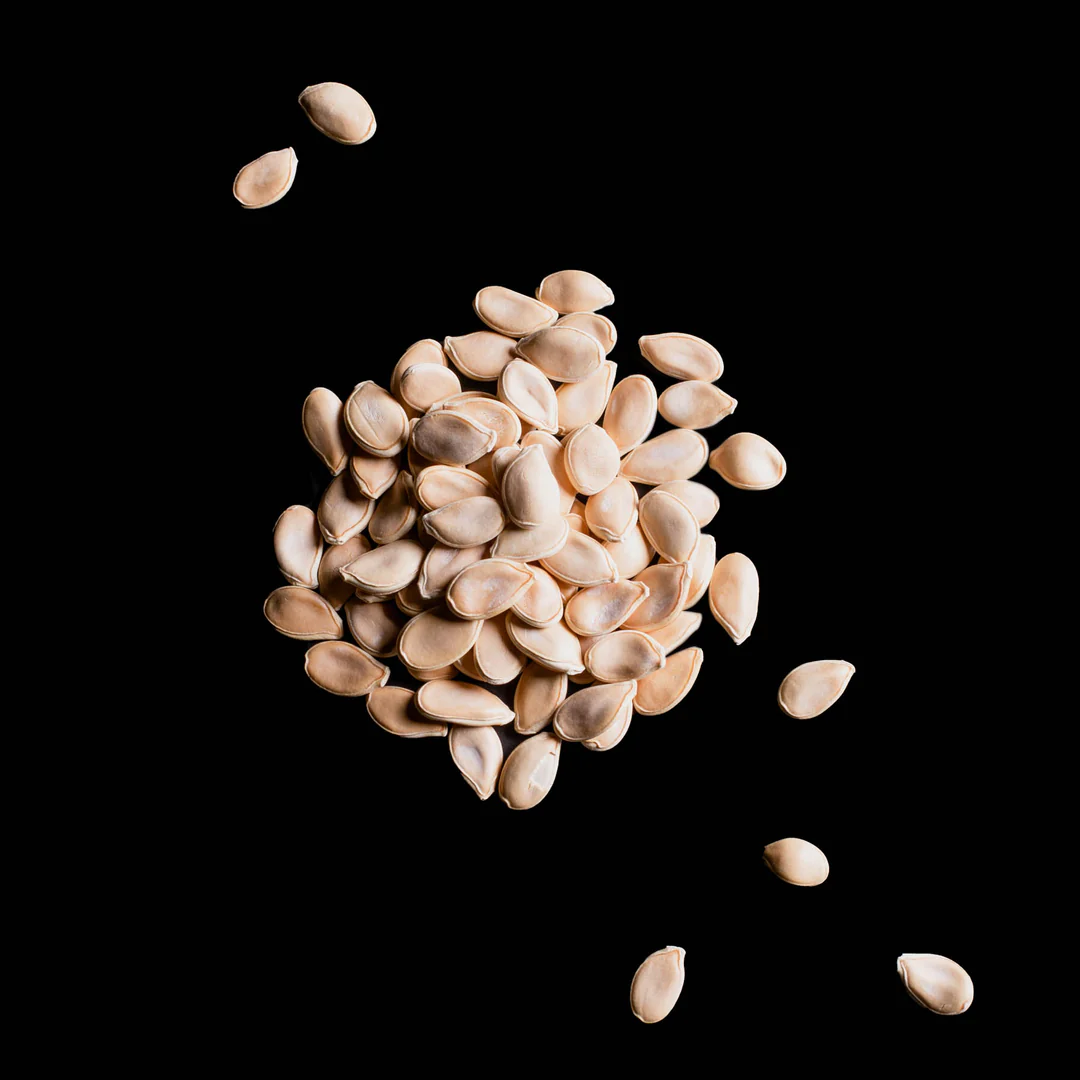
Each seed we offer stems from this thoughtful approach. Carefully selected over decades by our plant breeding programs to bring you the highest quality—from seed to table.
To introduce delicious vegetables uniquely developed in washoku culture to gardens and kitchen tables around the world by connecting growers, the food industry and consumers.


In the history of more than 1000 years of washoku culture, vegetables have been uniquely developed in pursuit of better tastes and growing climates, and are now a part of the wide variety of vegetables used in Japanese cuisine.
Oishii nippon vegetables, which translates to Delicious Japanese Vegetables, are essential to the taste and variation of Japanese food, and the longevity and health of the Japanese people.
When we think of Japanese food, images of fresh sushi rolls and steaming bowls of ramen may come to mind; but the world of washoku is so much more diverse and profound – so much so that it was designated as an intangible cultural heritage by UNESCO in 2013.
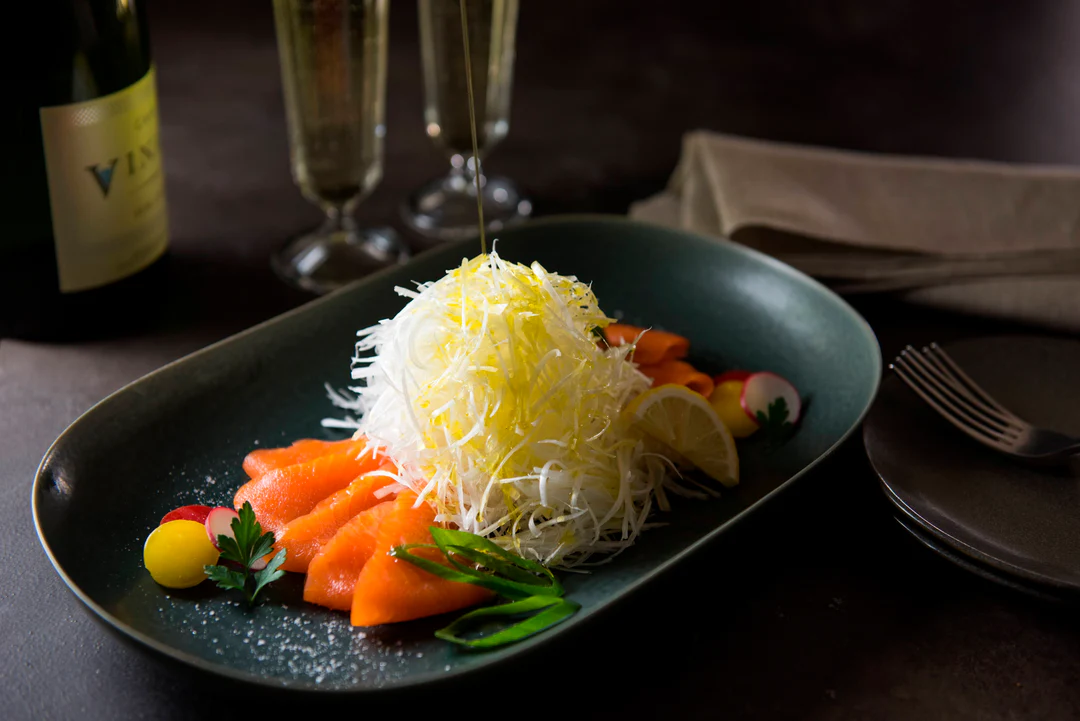
Washoku has a strong emphasis on seasonal ingredients, balanced natural flavors, culinary technique and aesthetic presentation. A traditional Japanese family-style meal consists of rice and ichiju-sansai – three seasonal entrees and a soup. A more formal, multi-course meal, or kaiseki, involves multiple elegantly-presented seasonal dishes made from simple, but exceptional quality ingredients.
We believe the best foods are grown locally and enjoyed seasonally. Eating locally-grown food reduces fossil fuels and emissions by eliminating the need for transport, storage and packaging materials. Seasonally-planted crops are rotated throughout the year, which increases soil fertility, promotes biodiversity, reduces waste, and allows for holistic or organic integrated pest management. Our non-GMO seeds are developed through strategic plant breeding over multiple generations to thoughtfully produce the desired traits and characteristics of our delicious, healthy vegetable varieties.