Zuccurì
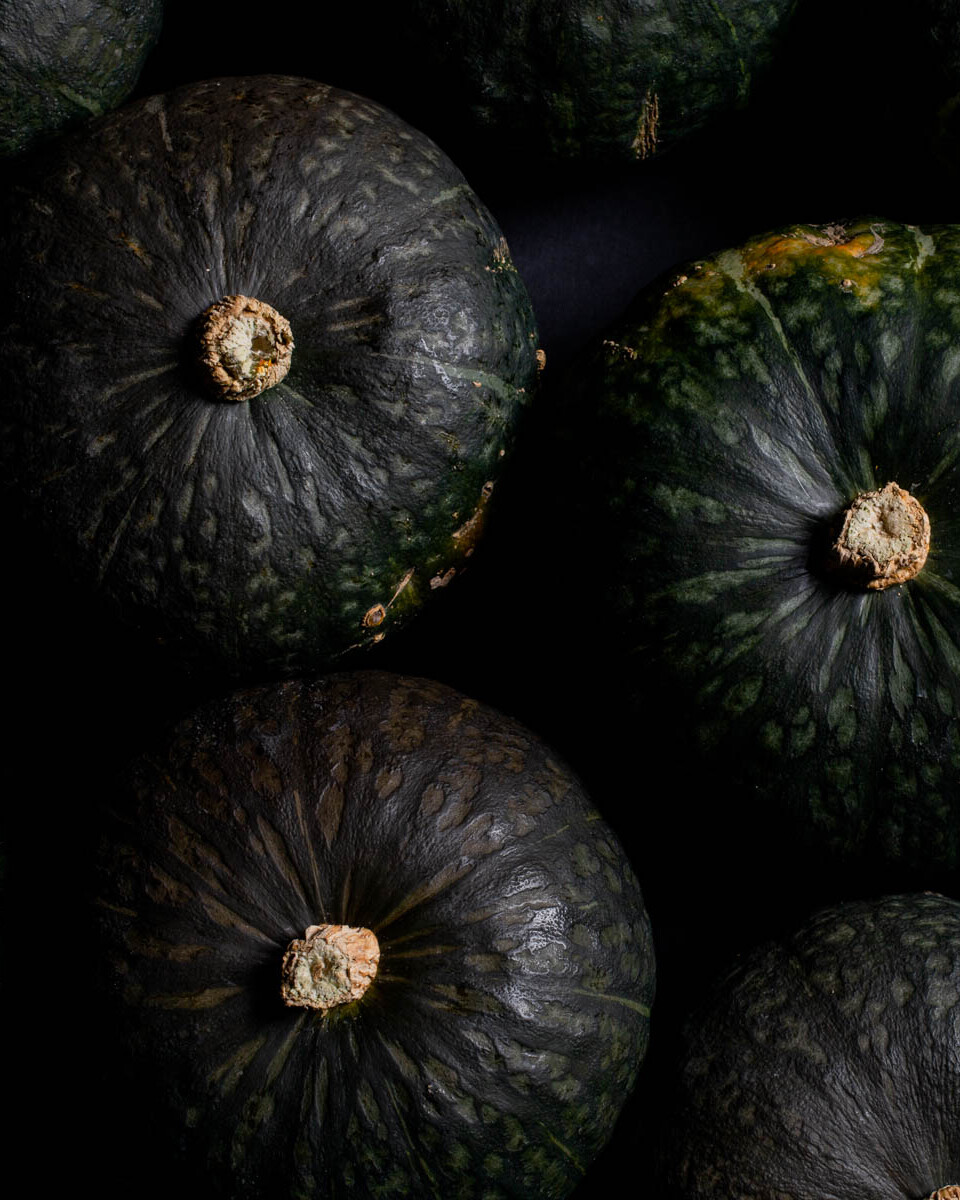
Zuccurì
Hearty, tender and bursting with natural sweetness, kabocha squash is a core element of Washoku, and provides a delicious balance of starch, sugar and moisture to each dish.
Zuccurì is a specific variety of kabocha squash which is likened to a chestnut in its sweetness and a sweet potato in its texture. This versatile winter squash is packed with flavor from its vibrant orange interior to its edible dark green exterior skin. Its soft consistency first crumbles and then melts in the mouth, a unique characteristic that comes from its starch content. Zuccuri is a bit dry, not wet and viscous like a classic kabocha squash or common pumpkin, but its natural sweetness is often misleading to the point that many think Zuccuri has been artificially sweetened.
Zuccurì is a customary winter staple in Japan and a reliable source of vitamins when vitamin and carotene rich veg is scarce, as it can be stored for up to three months in a cool, dry place. Traditionally enjoyed on winter solstice in Japan, zuccurì is often prepared in a sweet soup with adzuki beans in the wintertime as it is believed to help boost the immune system and prevent colds.
Health Benefits
Zuccurì is the great source of beta carotene which is converted to Vitamin A in the body. Vitamin A is a strong antioxidant proven to promote skin and eye health. Also has Vitamin C, potassium and fibre.
Cooking With Zuccuri
Enjoy Zuccurì simmered, sautéed, dipped in tempura batter, roasted for a saccharine, melt-in-your-mouth sensory experience. This sweet winter kabocha squash pairs well with warming spices like nutmeg, clove and sage, as well as pears, cilantro, spinach, and parsley.
Zuccurì holds its form well when cooked and can be added in cubes to soups, stews, curries and casseroles. You can even enjoy it as a natural cake by microwaving one-fourth of the Zuccuri (500g approx.) for six minutes.
Growing Details
- Suitable temperature for germination: 75-85℉
- Suitable temperature for growing: around 70℉
- Soil pH: 6.0-7.5
- Days to maturity: 110 days
Germination
- Direct sowing: sow 1-2 seeds 1/2" deep with 18" between plants (in rows) and 36" between rows. Cover and tamp down soil gently.
- Transplanting: sow 1-2 seeds per cell, 1/2" deep into a 50- or 72- cell tray. Once established, thin to one plant per cell.
- Maintain moisture through germination without overwatering (do not soak).
- Keep 75-85℉ to encourage the germination.
Transplanting
- Check for readiness 21-24 days after germination by gently pulling on the base of the stem to see if the soil block stays together.
- Transplant to 18" spacing, with 40" between rows.
Maintenance
- Cultivate soil to prevent weed competition and sitting water, which can harbor mildew.
- Use of light row cover can maintain heat and prevent pest damage. Remove at flowering.
- Remove early fruits if leaf size is less than 12".
Harvest
- Harvest when stems turn from green to woody by cutting the fruit stem away from the vine.
- Cure for ripeness by leaving fruits in a protected area away from sunlight. Curing time: Zuccuri 7: 14 days, Zuccuri 9: 30 days